MediaTek's high-end deca-core Helio X20 chipset is set to make a debut in mid-October housed inside the Elephone P9000. The Chinese smartphone is expected to debut on October 20 with $500 price tag.




.PNG) |
| Helio X20 Core Config |
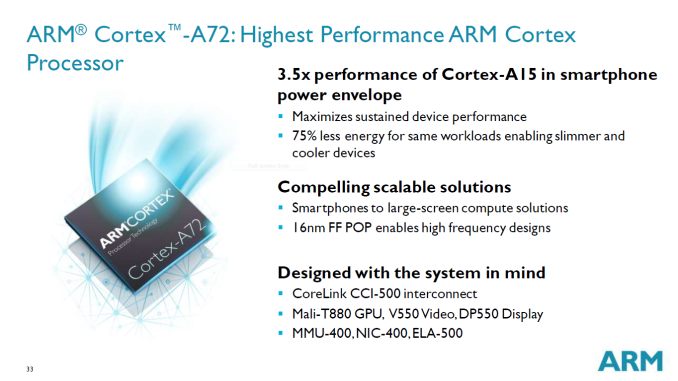
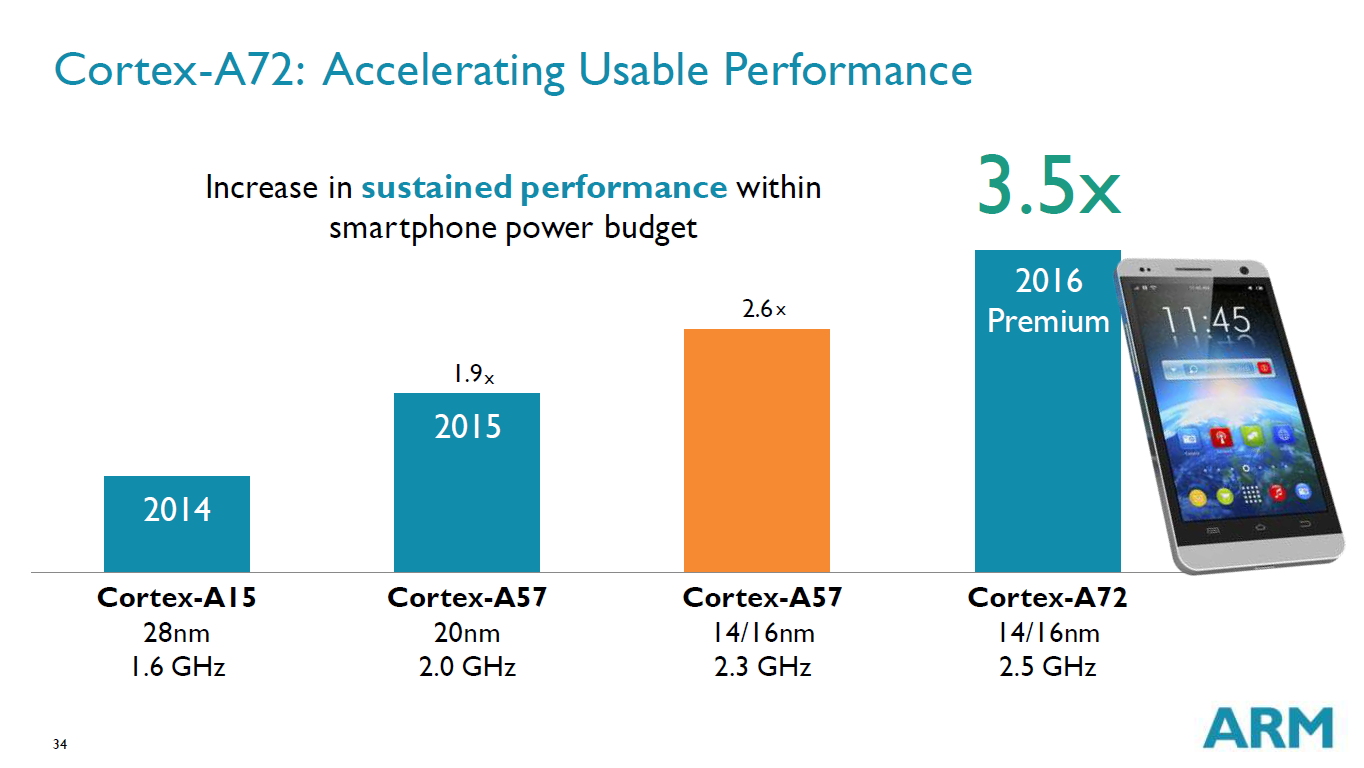
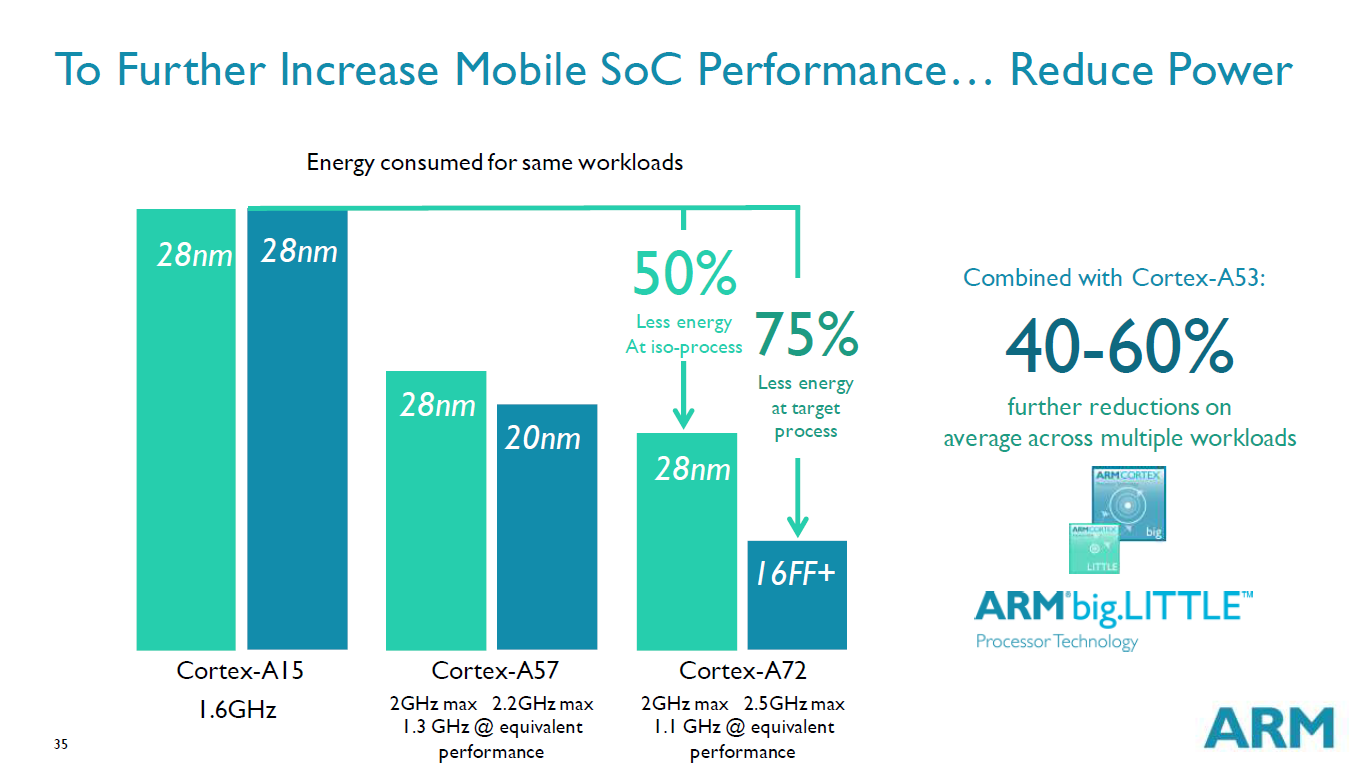
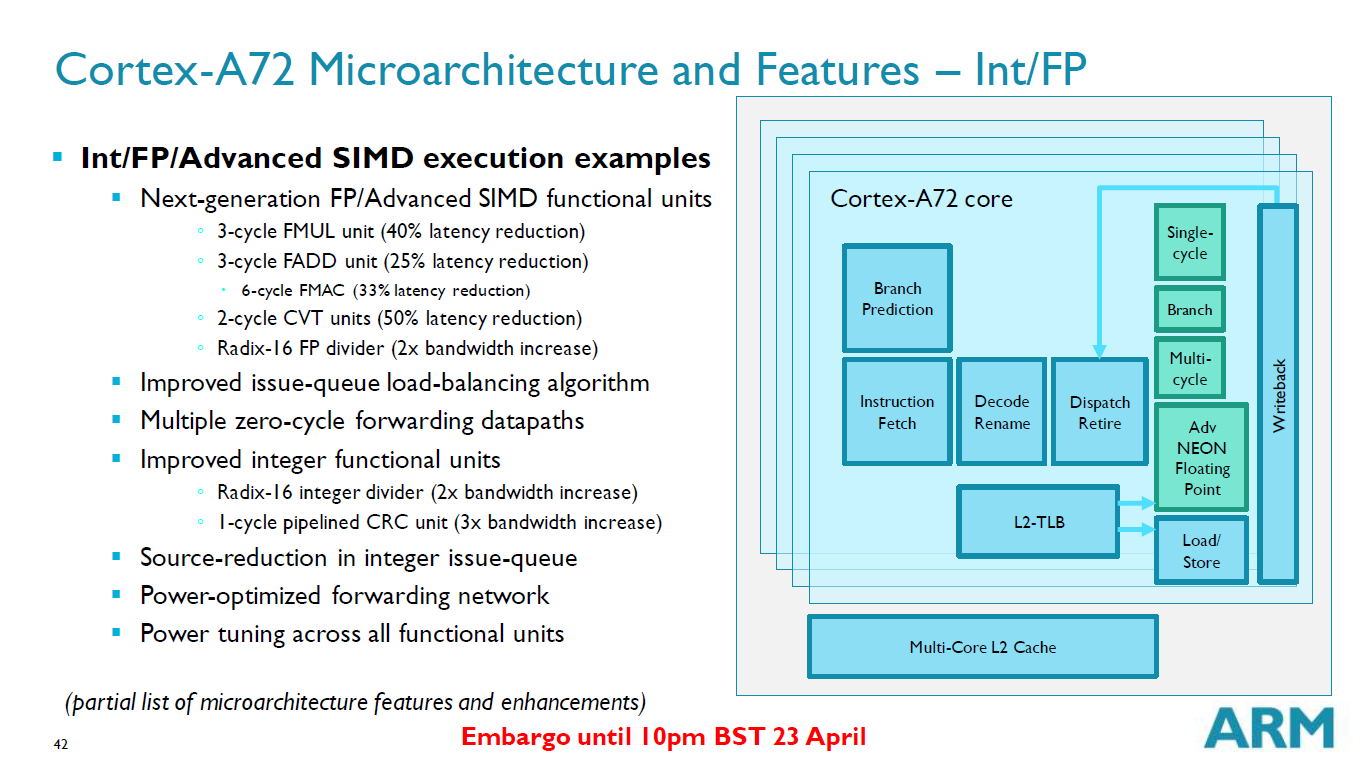
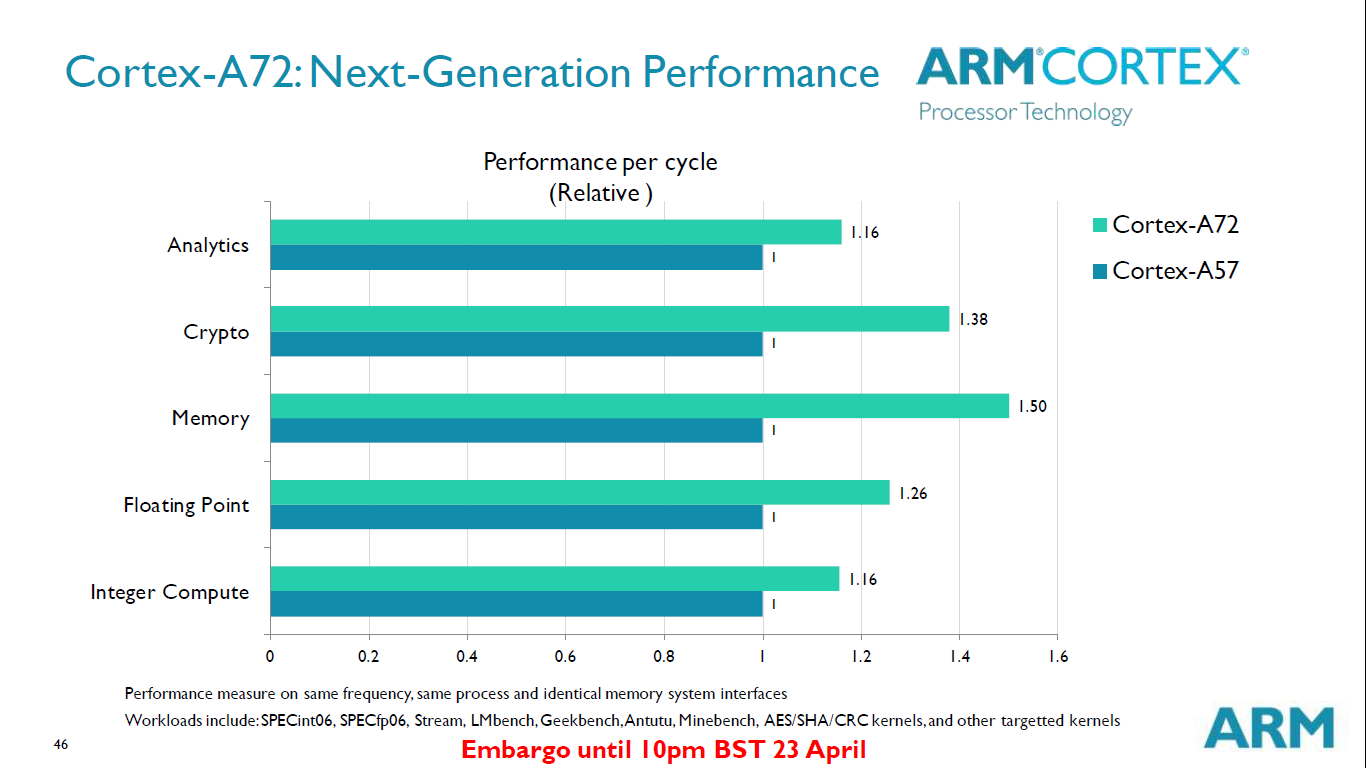
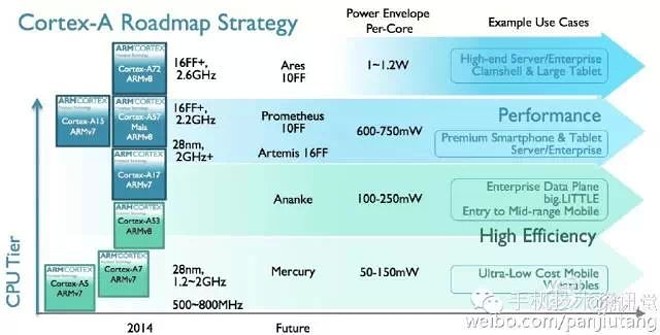
| ARM CPU Core Comparison | ||||||
| Cortex-A15 | Cortex-A57 | Cortex-A72 | ||||
| ARM ISA | ARMv7 (32-bit) | ARMv8 (32/64-bit) | ||||
| Decoder Width | 3 ops | |||||
| Maximum Pipeline Length | 19 stages | 16 stages | ||||
| Integer Pipeline Length | 14 stages | |||||
| Branch Mispredict Penalty | 15 cycles | |||||
| Integer Add | 2 | |||||
| Integer Mul | 1 | |||||
| Load/Store Units | 1 + 1 (Dedicated L/S) | |||||
| Branch Units | 1 | |||||
| FP/NEON ALUs | 2x64-bit | 2x128-bit | ||||
| L1 Cache | 32KB I$ + 32KB D$ | 48KB I$ + 32KB D$ | ||||
| L2 Cache | 512KB - 4MB | 512KB - 2MB | 512KB - 4MB | |||


The Nokia Lumia 929 has managed to escape the R&D labs once again and has been caught by yet another camera. The phone is touted as the smaller brother of the Lumia 1520 that's going to debut on Verizon's network in a matter of weeks.
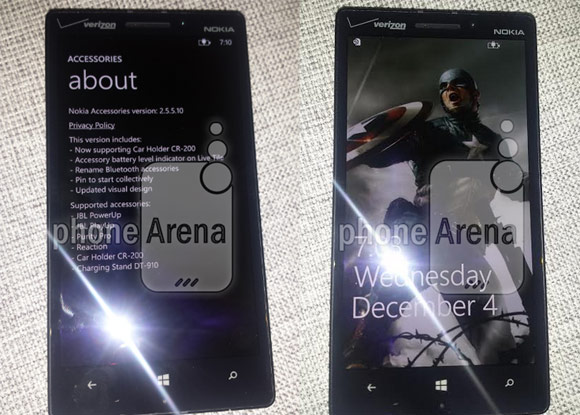
Earlier leaks of the Lumia 929 have revealed it will offer a 5.0" 1080p display. The phone is also going to pack a 20MP PureView camera with ZEISS lens and dual-LED flash. This is the same configuration as the Lumia 1520 phablet.
This is not the first time the Lumia 929 poses for the camera. Earlier in November the phone got a nice photoshoot, while its official photos leaked out two months earlier.
The Nokia Lumia 929 is rumored to run the Windows Phone GDR3 update out of box. It's supposed to be powered by the Snapdragon 800 chipset with a 2.2GHz quad-core processor, Adreno 330 graphics and 2GB of RAM. The rest of the rumored specs include 32GB non-expandable internal storage, LTE, NFC, and wireless charging support.To be precise this is Lumia with almost-pocketable size and no-bulging(cough#1020) phone with which Nokia can offer.
NVIDIA Shield (previously known as Project Shield) is inching closer to the official release. According to a press release issued by the company, Shield pre-orders will begin on May 20 at shield.nvidia.com. The consumers, who had earlier registered on the Shield website, will be able to pre-order this handheld game console today itself.
According to NVIDIA, Shield has been priced at $349 and will also be sold at Newegg, GameStop, Micro Center and Canada Computers apart from the official website. The shipping will begin in June 2013.
For those of unaware of NVIDIA Shield, it is a portable gaming console with Tegra 4 at core. It supports not only the Tegra optimised games as well as regular Android games along with Android applications. The company however notes that some applications, which don’t work in landscape mode, might not be supported on the device.
“SHIELD is the one device that taps into the planet’s largest ecosystem of games — spanning NVIDIA TegraZone, Google Play and Steam. Rediscover your Android games with the mobility, control and performance of SHIELD. Connect to your Google Play account to enjoy your favorite movies, music and apps,” noted NVIDIA in the press release.
Good news, HTC One users – the official CyanogenMod 10.1 (Android 4.2 Jelly Bean based) will soon become available on your smartphones.
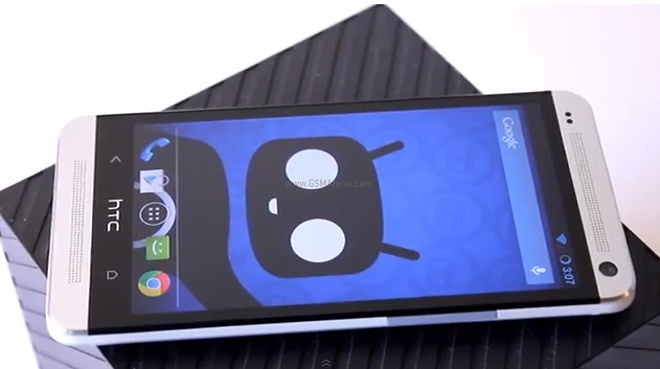
The CyanogenMod 10.1 will support the GSM version of the metallic beauty along with the Sprint variant of the device. The ROMs are still in the alpha stage and the Nightly builds will be ready for download very soon.
The CyanogenMod 10.1 brings few new options, which include system settings, themes settings, lock screen settings, launcher settings and of course the Super-user settings. This comes along with the goodness of latest Android 4.2.2 Jelly Bean.
Meanwhile, you can have a sneak peak at the features of CyanogenMod 10.1 for HTC One in the below video:
Rumors are floating around of the next-generation Oppo Find smartphone, predictably dubbed the Find 6. According to "trusted sources over in China", Oppo's next smartphone is going to pack the nerdgasmic quad-core Snapdragon 800 processor and 2GB of RAM.
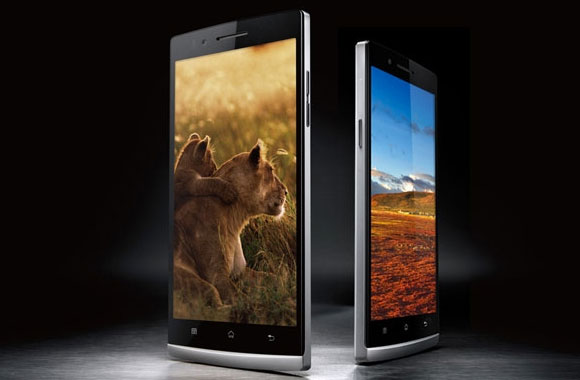
Other features that are speculated at this stage are a screen that matches the one of Oppo 5 (5" unit of 1080p resolution) and a 13MP camera. Interestingly, the sources claim that the company is testing out an 8MP front-facing camera.
The rumors also mention NFC functionality but don't say anything about microSD card support and removable battery - two things the Find 5 misses.Reportedly, we should expect the Oppo Find 6 to make its debut this fall, but a specific time frame or a price haven't been talked about just yet.Oppo made quite a splash and definitely placed its name on many people's watchlist with its Find 5 smartphone, which sadly is taking too long to make its international debut

You’ve waited…you’ve been asking for it…here it is! We’re happy to introduce the Nokia Lumia 928, the newest expression of the world’s most innovative smartphone exclusively for Verizon Wireless.
The Nokia Lumia 928 is the latest installment of the Nokia’s Windows Phone 8 line-up and comes equipped with everything you need to capture summer memories as they unfold.
The Nokia Lumia 928 features Nokia’s powerful PureView imaging technology, including Optical Image Stabilization (OIS), which makes it easy to capture blur-free pictures and videos every time, even in low-light. Along with OIS, the Nokia Lumia 928 features a Carl Zeiss lens – and photo buffs will love that a xenon flash is on board.
With a camera like this on the Nokia Lumia 928, you can leave your digital SLR at home this summer as you head out and about.
To go along with the stunning imaging capabilities of the Nokia Lumia 928, we’ve built in three high-audio-amplitude-capture microphones to make sure you can capture high-end, distortion-free audio even in the noisiest environments.
It doesn’t matter if you’re at a monster truck rally, rock concert or summer party, you’ll have the best audio possible on a mobile with the Nokia Lumia 928 thanks to these high-performance microphones that record sound naturally and distortion-free, up to 140db.
This phone was built to perform, but it’s also is a joy to hold. The front of the Nokia Lumia 928 is dominated by a 4.5-inch OLED display covered by Gorilla Glass that extends all the way to the edge of the phone, bringing a quality feel. This phone is perfect for summer because the screen is easily readable, even in bright sunlight and the touchscreen works even if your fingertips are covered up.

For added convenience, the Nokia Lumia 928 features wireless charging built-in. Simply place your phone on the Nokia Wireless Charging Pillow by Fatboy, JBL PlayUp or one of our other wireless charging accessories and power up.
The software and services that make the Nokia Lumia unique are included out of the box with the Nokia Lumia 928. First of all, the HERE Suite brings intuitive location services that ensure you’re never lost or wondering what to do when in a new city. You can count on HERE Maps, HERE Drive+ and HERE City Lens to help you navigate your environment each and every day.
Looking for some tunes to get your groove on? Nokia Music features unlimited streaming of free music playlists that you can even take offline.

To extend the functionality of the Nokia Lumia 928, you can count on the 145,000 apps in the Windows Phone store. Getting things done on-the-go is easy with Internet Explorer 10 for faster, safer browsing and Microsoft Office mobile integration.
We’re excited to bring these stunning features accompanied by Windows Phone 8 to Verizon’s ubiquitous 4G LTE network, the largest in the United States.
The Nokia Lumia 928 will be available on May 16th atVerizonWireless.com and at your local Verizon Wireless Store for a price of $99 after a $50 mail in rebate. Also, a new 2-year service agreement is required.
As a sweet bonus – for a limited time – buyers of the Nokia Lumia 928 will get a $25 credit for Windows Phone apps and games with the purchase of the phone.

We first tipped our hat that Skype was coming to BlackBerry 10 back at the global launch event on January 30th. Now I’m happy to announce that Skype is available for the newly launched BlackBerry Q10.BlackBerry Q10 and Skype are the perfect pair allowing you to chat with other Skype users from the palm of your hand.
While you’re on the go with your BlackBerry Q10 and the Skype app, you’ll enjoy the ability to have:

Today is THE day that the first customers will start to get their hands on the new BlackBerry Q10 in the UKand next week, in Canada, on May 1. Throughout the week we’ve let you know where and when it will be available first, what went into the design and what our favorite features are. Now it’s time to hear from the tech media.
Like me, they’ve had their hands on the beautiful BlackBerry Q10 with full QWERTY keyboard. Turns out I’m not the only one who was impressed by the device and how well it performs as a daily driver. Physical keyboard lovers, meet your new match! Here’s what the press had to say:
“The Q10′s superb keyboard and message-handling capabilities make it a perfect match. Its long battery life and comfortable keyboard may be what you’ve been holding out for, and the inclusion of BlackBerry 10.1 is extra icing on the cake.” –
“The BlackBerry Q10 is clearly the top smartphone for people who want QWERTY physical keyboards. It is no question the most refined device in the class. This is the BlackBerry 10 device physical keyboard lovers have been waiting for.” –
“BlackBerry has done well by QWERTY fans by bringing a handset to market with a killer keyboard and modern operating system.” –
“I’ll come right out and say it: no phone on the market offers a better combination of speed and accuracy for entering text.” –
“an email, messaging, and productivity beast.”… “It’s a delight to type on. I haven’t used a physical keyboard in ages, but the keys are designed so well that I was flying.” –
“BlackBerry has a lot of experience making keyboard phones, and it shows in the Q10.” –
“In terms of smartphones with a physical keyboard, the Q10 is in a class of its own.” –
“Perhaps the most interesting surprise about the Q10 is how insanely fast it is.” –
“This is a modern day smartphone with a keyboard that people will be PROUD to carry, use and show off.” –
The press have had their say — now it’s time to have yours, #TeamBlackBerry. Be sure to leave your comments about the new BlackBerry Q10 below.
Google I/O 2013 is less than a month away and if history is any indication, we are in for a new version of Android. But those waiting for Android 5.0 Key Lime Pie just might be in for a bit of disappointment.
According to some damning evidence from Android Police, Google is working on the next version of Android, but it's Android 4.3, not 5.0. Also, the build number is JWR23B, which suggests the update will continue to use the Jelly Bean moniker (the first letter of the build corresponds to the name of the update).
This particular update has reportedly shown up in server logs and was successfully traced back to Google employees. It has also shown up in comments in the Chromium bug tracker by a Chromium developer.
There is no evidence that suggests that Key Lime Pie won't be announced during this year's I/O but so far it hasn't shown up anywhere yet. On the other hand, 4.3 has made numerous appearances and the fact that it has a build number suggests that it is close to release. That Google would release a new version of Android this close to I/O and it not be the main highlight of the event would be strange, as would announcing two versions of Android simultaneously.
This leads us to believe that Key Lime Pie might be a bit further away than we imagined. Hopefully, it should be sometime this year, if not at this I/O.
You can find more information about this in the source link below::
 Samsung is not just hosting the Galaxy S 4 launch event in Delhi tomorrow but it seems it will be possible for users to buy the smartphone tomorrow itself. While Reliance Digital is taking pre-orders hosting its own launch event on April 27, Samsung India’s eStore is now showing the Galaxy S 4 will be available there from tomorrow itself. This is a big deal considering HTC, which announced the One in India as early as April 8 but it is still not available in stores.
Our sources in the unorganized trade are also claiming they will have retail units of the Galaxy S 4 as early as Saturday or latest by Monday. Add to this Samsung’s marketing muscle and it seems to be headed for another best-selling phone. HTC, despite having a brilliant product (read our review here) will lose out on all the great work they have done with the One by not bringing it to market sooner. Once people get the Galaxy S 4, with word of mouth and aggressive marketing across media, it will be difficult for HTC to sell in numbers worthy of the One.

After selling 7.19 million phones in China last year, Xiaomi is now one step closer to world domination with a new device that'll take it to new territories: the Xiaomi Phone 2S (or MI-2S). As the name and look (pictured left) suggest, this is pretty much the same device as the 4.3-inch Xiaomi Phone 2, except it comes with Qualcomm's newer Snapdragon 600 quad-core chip clocked at 1.7GHz, plus a beefed up camera of 13-megapixel resolution (with F2.2 aperture) on the 32GB model. The 16GB 2S, on the other hand, gets the same old 8-megapixel F2.0 imager. The rest of the hardware is the same old: 2GB RAM, 2,000mAH removable battery, 720p IPS display, dual-mic noise cancellation, 2-megapixel front-facing camera and WCDMA 850/1900/2100MHz radio (there's also a CDMA version for China Telecom).
Unlike the previous launch, the 16GB flavor of this phone is already in stock on the day of announcement and is ready for purchase in China today for ¥1,999 or about $320 unsubsidized. Actually, strike that -- apparently the first lot of 200,000 units promptly sold out (likely thanks to scalpers). Luckily, Xiaomi is finally tapping into the Hong Kong market via its xiaomi.hk website starting April 23rd, so chances are genuine buyers in Hong Kong won't have to compete against the machines from mainland China; and Taiwan customers will also be able to buy a 2S from either local carrier Far Eastone towards the end of this month, or from xiaomi.tw starting next month. No word on the availability of the 32GB model just yet, but it's already priced at ¥2,299 or about $370 unsubsidized.

NVIDIA Announces Tegra 4i(Project Grey)-With Integrated LTE and Phoenix Reference Design

It has been a while since we’ve heard anything about Project Grey, the first NVIDIA SoC with an integrated digital baseband, and the result of NVIDIA’s acquisition of soft-modem manufacturer Icera. Today, NVIDIA is ready to formalize Project Grey as Tegra 4i, and we have a bunch of information about this SoC and will obtain even more before MWC is upon us. NVIDIA’s roadmap from late 2011 put Grey in early 2013, and while other members of that roadmap haven’t necessarily stuck to the promised release schedule, Grey seems to be somewhere close to that schedule, at least as far as announcement and samples are concerned.
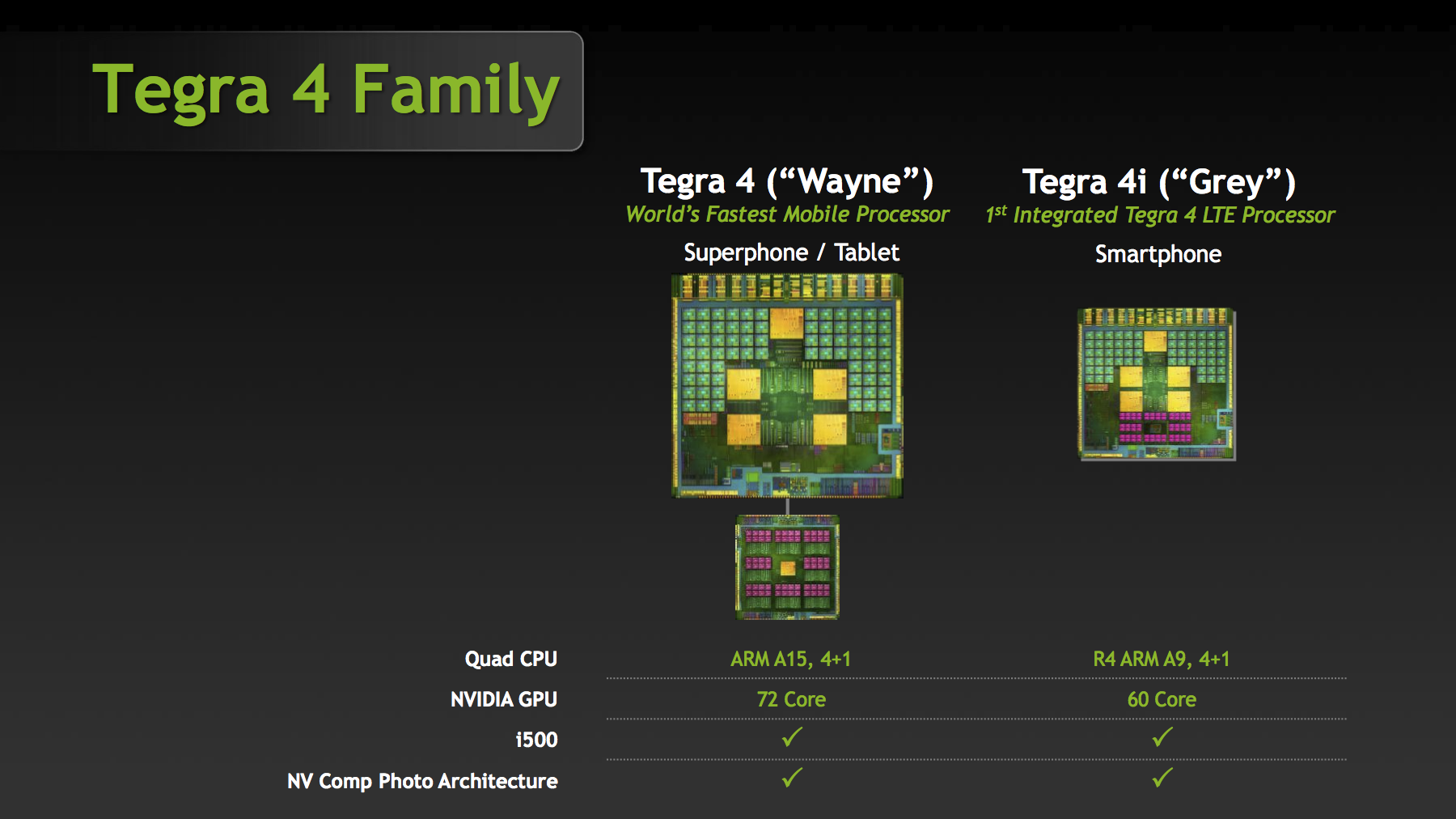
First, Tegra 4i includes the familiar 4+1 arrangement of cores we've seen since Tegra 3, but instead of Tegra 4's A15s, 4i includes ARM Cortex A9 CPUs running at a maximum single core clock of 2.3 GHz, we’re still waiting on a breakdown of the clock rates for dual and quad configuration, as well as the shadow core. NVIDIA has noted that it using R4 of ARM’s Cortex A9, which includes higher IPC thanks to the addition of a better data prefetching engine, dedicated hardware for cache preload instructions and some larger buffers. NVIDIA believes it is the first to implement the latest version of ARM's Cortex A9 core, however there's nothing stopping others from doing the same.
NVIDIA likely chose to integrate ARM's Cortex A9 r4 instead of the Cortex A15 to reduce power consumption and die size. While Tegra 4 is expected to be around 80mm^2, Tegra 4i measures in at around 60mm^2 including integrated baseband. NVIDIA isn't talking about memory interfaces at this point, but do keep in mind that your memory interface is often defined by the size of your die.

The 4i SoC is also built on TSMC’s 28 HPM process, interestingly enough not the 28 HPL process used for Tegra 4. As Tegra 4i appears to be geared towards hitting very high clock speeds, the use of TSMC's 28nm HPM process makes sense.
Tegra 4i also gets the exact same ISP and computational photography features that Tegra 4 includes, along with the same video encode and decode blocks. When it comes to the GPU side, 4i includes 60 GPU cores, that's just shy of the 72 in Tegra 4 proper. We’re waiting on additional detail to understand if these cores include the same enhancements we saw in Tegra 4 vs. Tegra 3. We also don't know the clock speed of the GPU cores in Tegra 4i.
| Tegra 4 Comparison | |||||||
| Tegra 4 | Tegra 4i | ||||||
| CPU Configuration | 4+1 ARM Cortex A15 | 4+1 ARM Cortex A9 "r4" | |||||
| Single CPU Max Clock | 1.9 GHz | 2.3 GHz | |||||
| Process | 28nm HPL | 28nm HPM | |||||
| GPU Cores | 72 | 60 | |||||
| Memory Interface | PCDDR3 and LPDDR3 | LPDDR3 | |||||
| Display | 3200x2000 | 1920x1200 | |||||
| Baseband | No Integrated Modem | Icera i500 | |||||
| Package | 23x23 BGA 14x14 FCCSP | 12x12 POP 12x12 FCCSP | |||||
Tegra 4i also includes the Icera i500 baseband IP block on-die, hence i for Icera. NVIDIA has disclosed some additional detail about i500 along the lines of what we’ve already written about. There’s full support for Category 3 (100 Mbps) LTE at launch, with a later upgrade to Category 4, along with support for 10 MHz + 10 MHz LTE carrier aggregation. In addition there’s support for the rest of the 3GPP suite of air interfaces, including WCDMA / HSPA+ up to 42 Mbps (Category 24), TD-SCDMA, and GSM/EDGE. i500 is also voice enabled with VoLTE support and CS-FB voice modes. NVIDIA claims that the i500 package is 7x7mm with a 6.5x6.5mm transceiver, and there are a total of 8 primary Rx ports (bands). NVIDIA also claims support for both 2x2 MIMO and 4x4 MIMO transmission modes on LTE.
Functionally Tegra 4i is more like a heavily upgraded Tegra 3 than a Tegra 4 part thanks to the Cortex A9s. It's clear that Tegra 4i is aimed more at the smartphone market while Tegra 4 proper aims at tablets or other platforms with a higher power budget and greater performance demands.
In terms of time frame, NVIDIA expects the first Tegra 4i designs to begin shipping at the end of 2013, with most devices appearing in Q1 of 2014. It'll be interesting to see how a Cortex A9 based design holds up in Q1 2014, although the newer core and very high clock speed should do a good job of keeping the SoC feeling more modern than you'd otherwise expect.
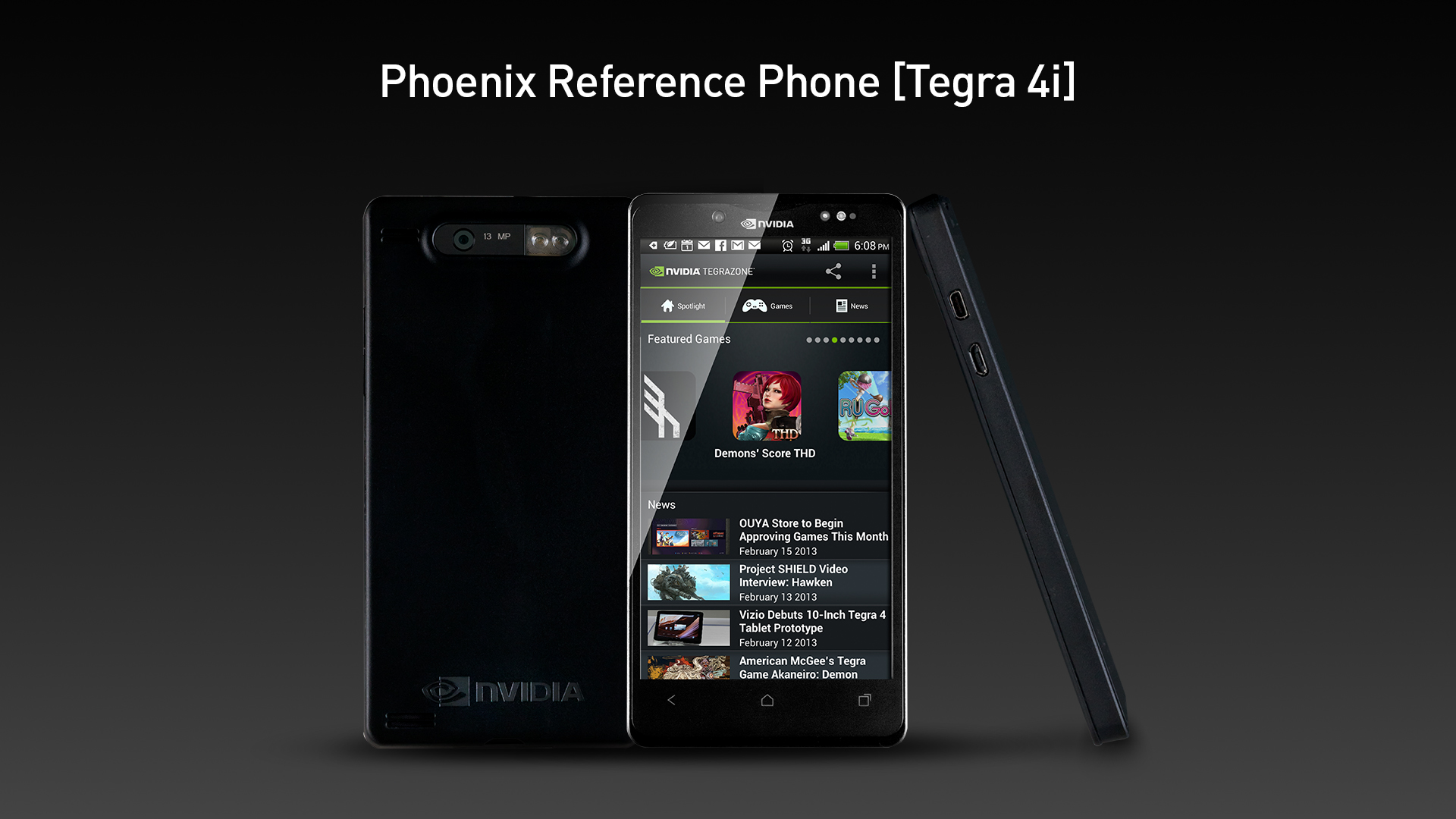
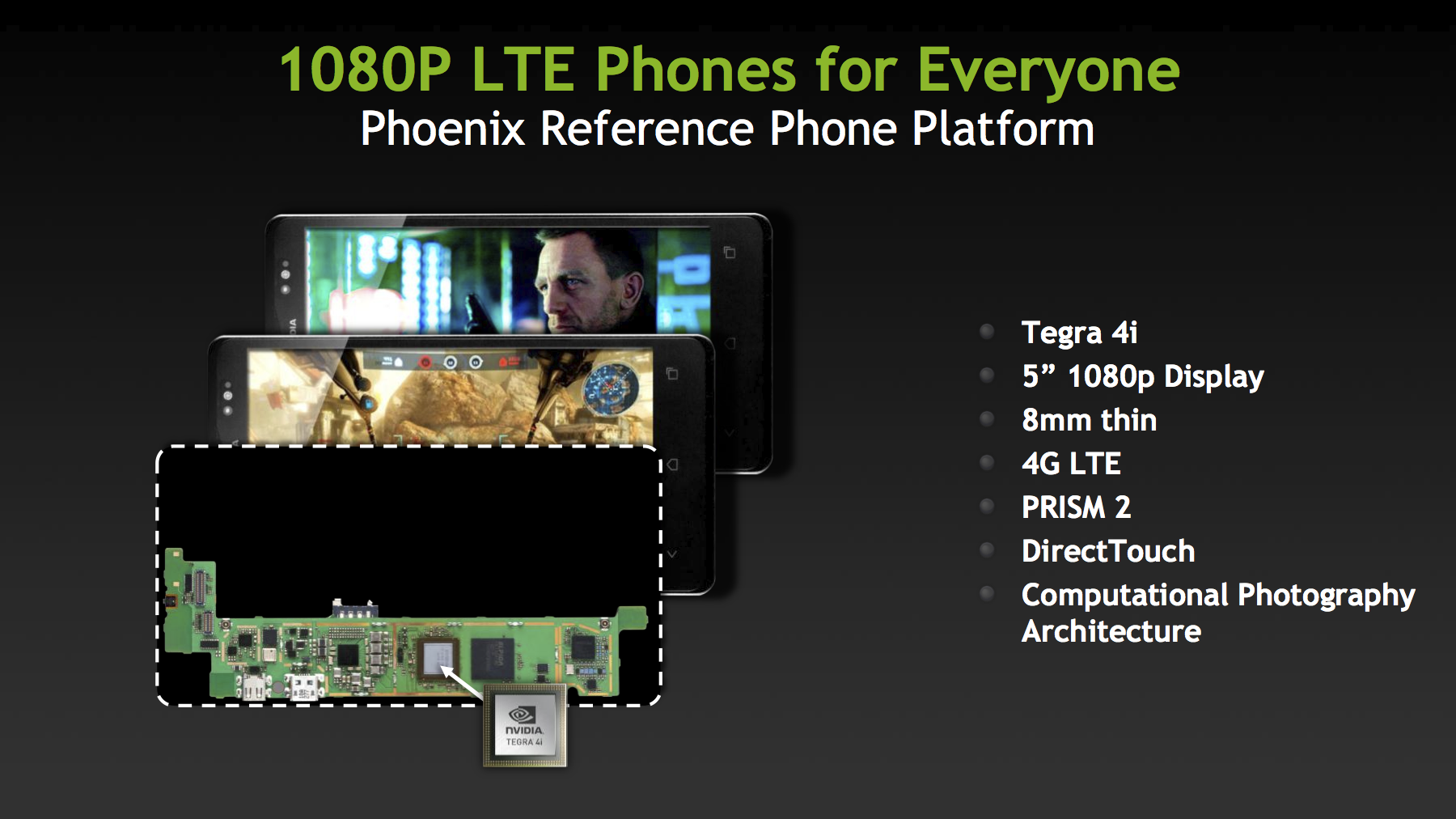
The other big announcement is a reference design built around Tegra 4i called Phoenix. It's a smartphone with Tegra 4i inside, 5-inch 1080p display, LTE, and just 8 mm of thickness. What's more impressive is that NVIDIA claims the reference design can be picked up by an OEM and ship with an unsubsidized price tag of between $100-$300 USD. With Phoenix NVIDIA now joins the likes of Qualcomm and Intel, both of whom already have active smartphone reference design programs.
We have a lot more questions about Tegra 4, 4i, and Phoenix, but answers are coming.